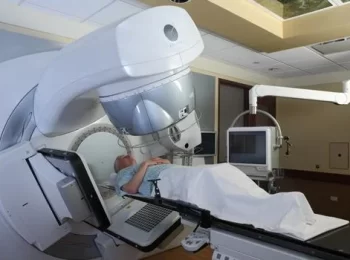
IMRT (Intensity Modulated Radiotherapy)
IMRT is an advanced form of radiation therapy that delivers highly precise radiation doses shaped exactly to the tumor’s geometry. By modulating the intensity of radiation beams, IMRT minimizes exposure to surrounding healthy tissues, reducing side effects while improving tumor control. It is particularly effective for head & neck cancers, prostate cancer, and complex tumors located near vital organs.
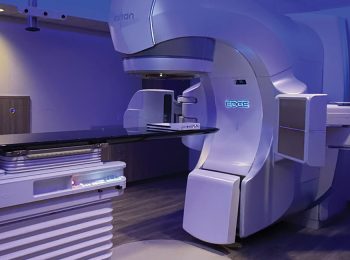
IGRT (Image Guided Radiotherapy)
IGRT uses real-time imaging before and during radiation treatment to ensure precise tumor targeting. This technology accounts for daily variations in tumor position due to breathing or organ movement, enhancing treatment accuracy. IGRT allows higher radiation doses to the tumor with increased safety and is widely used in lung, pelvic, and abdominal cancers.
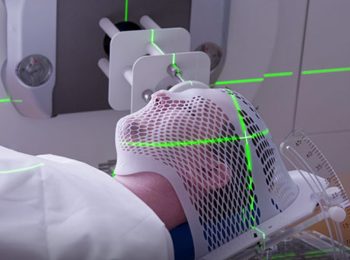
SRS (Stereotactic Radiosurgery)
SRS delivers a single or limited number of high-dose radiation treatments with sub-millimeter precision, primarily used for brain tumors and functional neurological disorders. Despite the name, it is a non-invasive procedure requiring no surgical incision. SRS is highly effective for brain metastases, arteriovenous malformations, and select benign tumors.
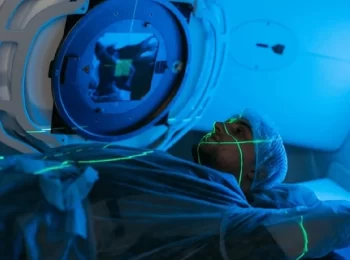
SBRT (Stereotactic Body Radiotherapy)
SBRT is a highly precise radiation technique that delivers intense doses of radiation over fewer treatment sessions. It is ideal for treating small, well-defined tumors in the lung, liver, spine, and adrenal glands. SBRT provides excellent tumor control while preserving nearby healthy tissues and significantly shortens overall treatment duration.
4D Radiotherapy
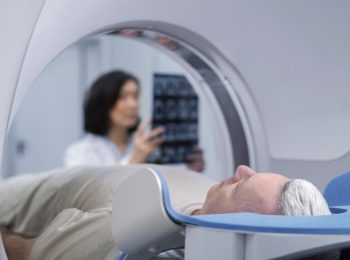
4D Radiotherapy accounts for tumor motion caused by breathing, especially in thoracic and abdominal cancers. By tracking tumor movement in real time, this technique ensures radiation is delivered accurately throughout the breathing cycle. It enhances treatment precision, improves safety, and is particularly beneficial for lung and upper abdominal tumors.
Brachytherapy (ICBT & ISBT)
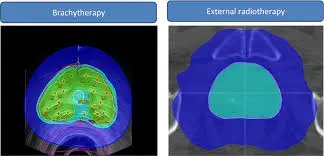
Brachytherapy involves placing radioactive sources directly inside or near the tumor, delivering high radiation doses with minimal exposure to surrounding tissues.
ICBT (Intracavitary Brachytherapy) is commonly used in gynecological cancers.
ISBT (Interstitial Brachytherapy) is used for complex or recurrent tumors requiring precise dose placement.
This technique is highly effective and often shortens treatment duration.
Head & Neck Cancer
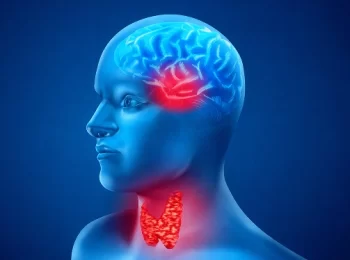
Comprehensive radiation treatment for cancers of the oral cavity, throat, larynx, and nasal region using IMRT and IGRT to preserve speech, swallowing, and quality of life. Treatment is tailored to achieve maximum tumor control with minimal long-term side effects.

Brain Tumors & Neuro Oncology
Advanced radiation techniques such as SRS and fractionated radiotherapy are used to treat both benign and malignant brain tumors. Precision-guided therapy ensures optimal tumor targeting while protecting critical brain structures and neurological function.
Lung Cancer
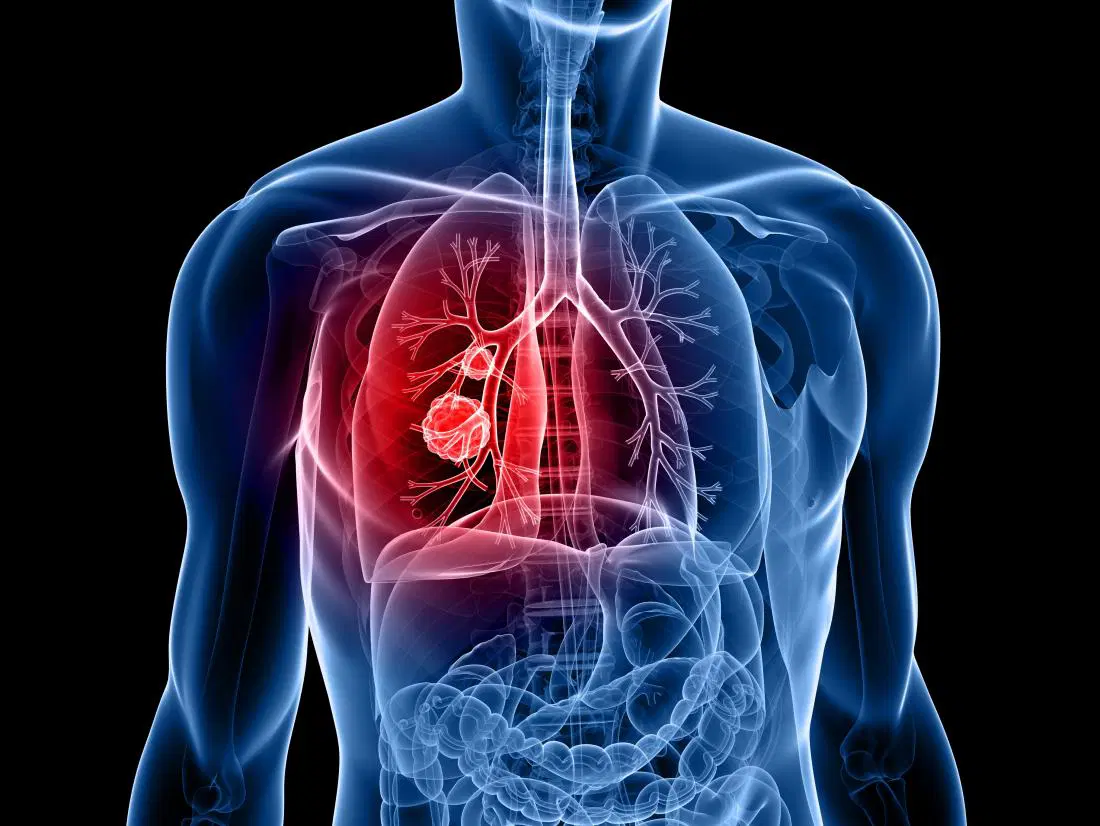
State-of-the-art radiation therapies including IGRT, SBRT, and 4D Radiotherapy are used to treat early-stage and advanced lung cancers. These techniques allow accurate tumor targeting despite respiratory motion, improving outcomes and reducing toxicity.
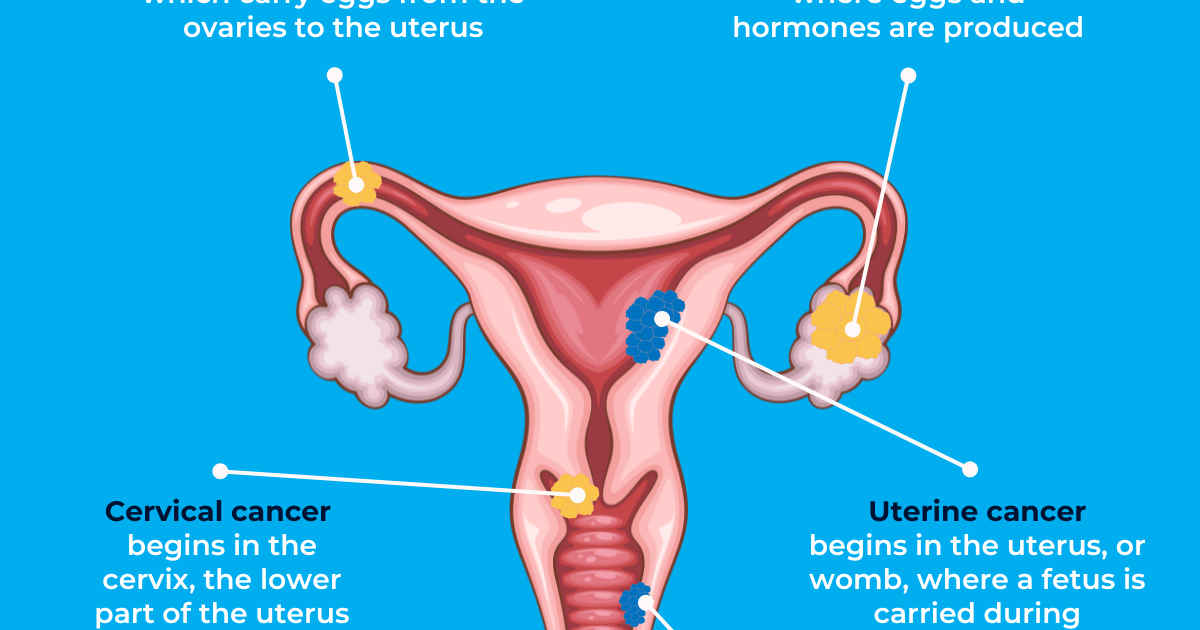
Gynecological Cancers
Radiation therapy plays a vital role in treating cervical, uterine, vaginal, and vulvar cancers. A combination of external beam radiotherapy and brachytherapy (ICBT/ISBT) ensures high cure rates while preserving surrounding organs.
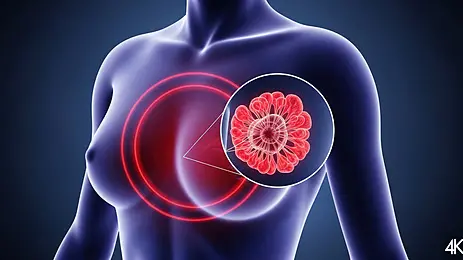
Breast Cancer
Modern radiation therapy is used post-surgery to eliminate residual cancer cells and reduce recurrence risk. Techniques such as IMRT and heart-sparing radiotherapy help protect vital organs while ensuring effective cancer control.

Liver Tumors
SBRT and image-guided radiotherapy offer effective non-surgical treatment options for primary and metastatic liver tumors. High-precision targeting allows tumor destruction while preserving healthy liver tissue.